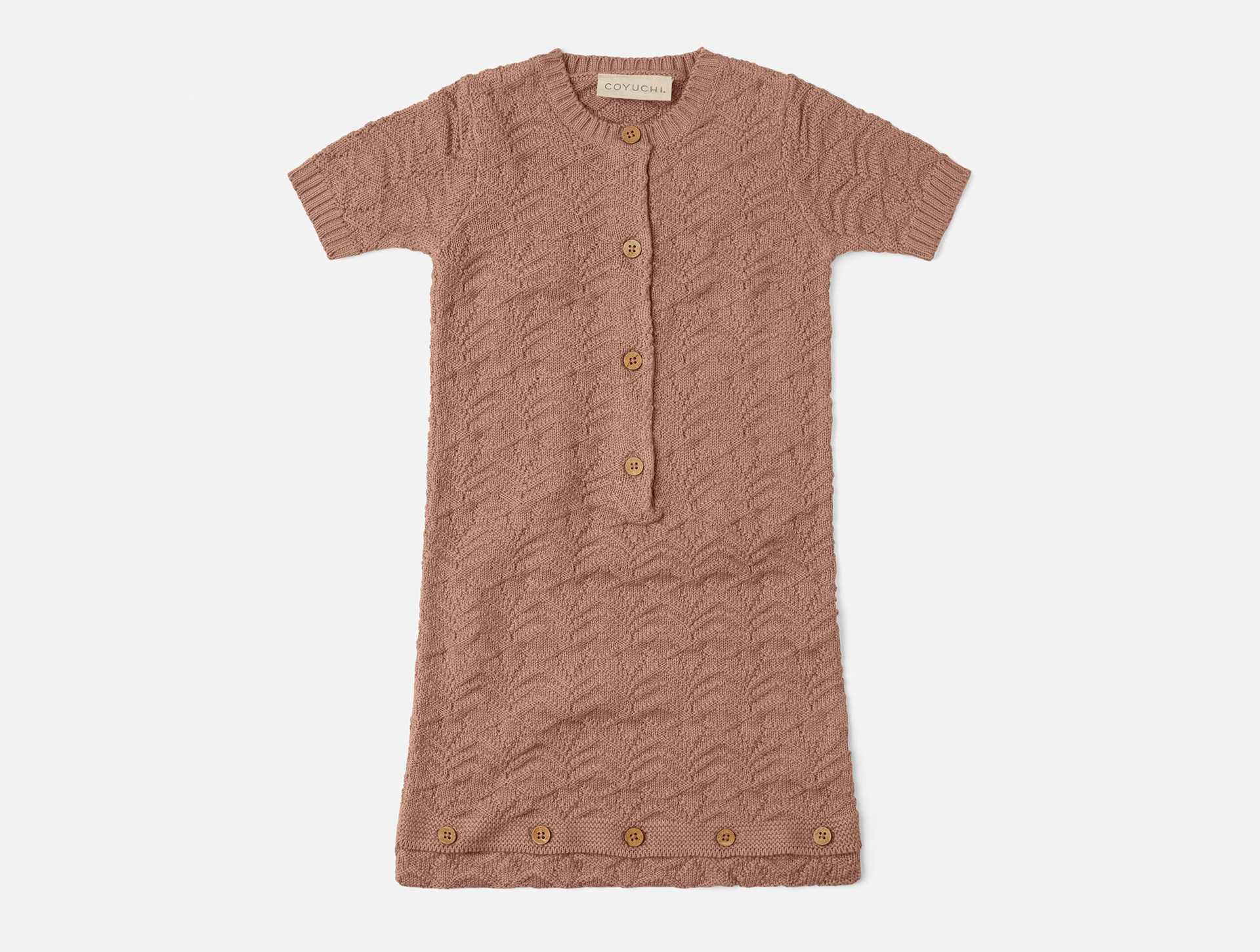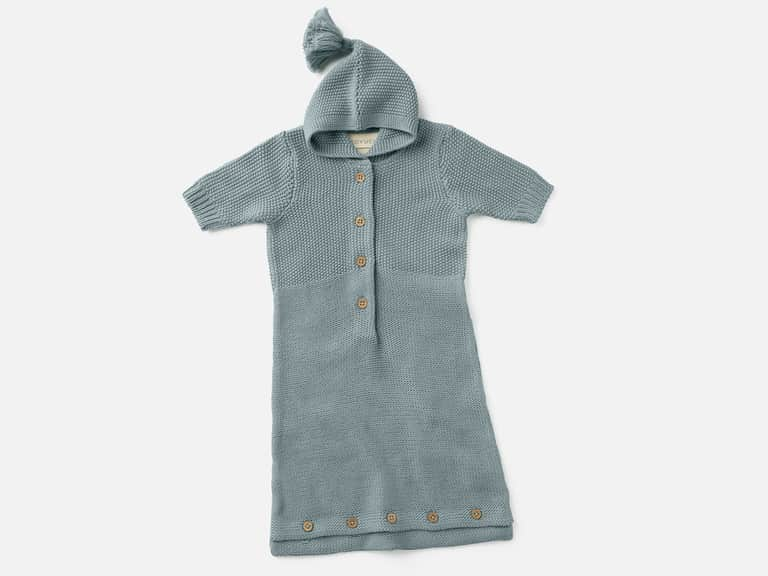
A practical guide to comfortable clothing
Coyuchi Loungewear: A Guide to Fabric, Fit, and Care
Loungewear is asked to do a quiet amount of work. It should feel good at rest, move easily through ordinary routines, and survive the laundry without becoming a different garment. When considering Coyuchi loungewear, the useful questions are less about a promise of perfect comfort than about the details that make comfort last: fiber, construction, fit, and care.
The small ambitions of loungewear
There is a particular kind of clothing that belongs neither to the street nor entirely to sleep. It is worn for breakfast, for a day spent at home, for the brief trip to the front door, and for the hours when the calendar has stopped making demands. Loungewear occupies that domestic middle ground. Its purpose is not to announce itself. Its success is measured by how little one thinks about it.
That apparent simplicity can make shopping for it surprisingly complicated. A soft-looking surface may conceal a fabric that feels heavy or warm. A generously cut top can still pull at the shoulders. A pair of trousers that feels comfortable while standing may tighten when sitting cross-legged. And a garment that seems perfect in the fitting room may change after washing if its fiber and construction are not suited to the care routine it receives.
A thoughtful loungewear guide begins with observation rather than adjectives. Look at what the garment is made from, how the fabric is formed, where seams and closures sit, and what the care label asks of you. Those clues are more useful than a general declaration that something is “cozy.” The word is pleasant; the details tell you whether you will want to wear it repeatedly.
For Coyuchi loungewear, as for any clothing, product composition and instructions can vary from one piece to another. The reliable approach is to read the information for the specific item under consideration, rather than assume that every garment in a collection uses the same fiber, weight, or washing method. A brand name may offer a starting point. The garment itself supplies the evidence.
Fabric begins with fiber, but does not end there
Fiber content is the first useful line on a clothing label. Cotton, wool, linen, and manufactured fibers each behave differently, and blends combine properties in ways that depend on their proportions and construction. Yet fiber alone cannot predict the whole experience. Two cotton garments may feel quite unlike each other because one is a fine, smooth knit and the other a denser, textured weave. Weight, finishing, yarn, and structure all have a say.
When assessing a loungewear fabric, consider the conditions in which you will wear it. A breathable, lighter-weight cloth may suit a warm room or a wearer who tends to overheat. A denser fabric can provide a more substantial hand and may feel reassuring in a cooler space. Neither quality is automatically superior. The right choice depends on temperature, personal preference, and whether the garment is meant for year-round use or a particular season.
Natural fibers are often valued for their distinctive feel and familiar comfort, but “natural” is not a complete performance description. Cotton can feel crisp or soft, airy or compact. Wool can be lofty and insulating, though its care requirements may be more particular. Linen often has a relaxed texture and can soften with use. A blend may be designed to balance qualities such as drape, resilience, or ease of care. The label helps identify the ingredients; touching the fabric and checking the care instructions help explain how the recipe is likely to behave.
When shopping in person, let the hand of the cloth tell you something, but not everything. Rub a small area between your fingers, notice whether the surface feels smooth, brushed, or textured, and gently stretch a knit to see how it recovers. If shopping online, use the product description to verify fiber content and construction, then look for the care label or detailed care guidance. If a page does not answer a question that matters to you—such as whether the garment can be machine-washed—it is sensible to seek clarification before buying.
Also distinguish softness from suitability. A very soft finish can be immediately appealing, but comfort over a day involves more than the first touch. Does the fabric feel clammy against skin? Does it trap too much warmth? Does it cling or fall loosely? These are personal matters, and they are best judged against your own habits rather than an abstract ideal of the perfect fabric.
Knit, woven, and everything the label cannot quite say
The difference between knit and woven fabric is structural. Knits are formed from interconnected loops, which often allow them to stretch and move with the wearer. Wovens are made by crossing yarns over and under one another; depending on the weave and finishing, they may feel crisp, fluid, sturdy, or relaxed. These are broad tendencies, not guarantees. A compact knit may have limited stretch, while a woven fabric cut with room can be easy to wear.
For lounging, movement is a practical test. Raise your arms, reach forward, sit down, and bend your knees. A top should not tug sharply across the back; a waistband should not become an unwanted presence as soon as you sit. Pay attention to seams at the shoulder, underarm, and inner leg. The garment need not feel weightless, but its construction should accommodate the ordinary choreography of a day indoors.
Fabric weight matters as much as its category. A lightweight knit may layer well and pack easily, while a heavier one can feel more substantial. A woven garment may offer a clean line yet still be comfortable if its cut is generous and its seams are placed thoughtfully. If you are comparing two pieces, note whether one seems to depend on stretch for its fit and whether the other relies on extra room. That distinction can help you decide which is more suitable for your routine.
Construction details deserve a glance. Ribbed edges can help cuffs or necklines sit close to the body. A drawstring allows some adjustment at the waist. Pockets add utility but can affect the drape of lighter fabrics. Buttons, elastic, and other closures may matter if you prefer garments that are simple to put on and take off. None of these details is inherently better; each is a small design decision with a practical consequence.
Fit is a relationship, not a number
Size charts are useful, but they describe measurements, not the feeling of wearing a garment. A label marked with a familiar size does not guarantee the same ease across brands, styles, or fabric types. Before choosing a size, check the garment measurements where available and compare them with a piece you already enjoy wearing. The comparison is imperfect, but it can reveal whether the intended cut is close-fitting, relaxed, or oversized.
For tops, consider shoulder width, sleeve length, and the amount of room through the chest and waist. For bottoms, check the rise, inseam, and waistband design, not just the overall size. A relaxed silhouette may be comfortable for sitting and stretching, while an excessively loose garment can twist, bunch, or require constant adjustment. Fit should support the way you move, not simply create the impression of extra room.
Think, too, about what happens after the garment leaves the fitting room. Some fibers and constructions may respond to washing or drying with a change in dimensions, while others may hold their shape more consistently when cared for as directed. This is not a reason to predict shrinkage from fiber name alone. It is a reason to read the instructions before purchase if fit is close or if you have little tolerance for a change in length.
When trying something on, test it in the positions that matter. Sit in a chair, stretch toward a shelf, walk a few steps, and raise your arms. For bottoms, check whether the waistband stays comfortable and whether the legs remain easy to move in. For a robe or wrap style, consider how the closure sits and whether the fabric stays in place. A garment intended for home should be able to meet the simple demands of home.
Personal preference belongs in the calculation. Some people like a close, tidy fit; others want air and drape. Neither preference needs defending. The useful question is whether the garment’s proportions and behavior match your own idea of ease, and whether you will reach for it often enough to justify keeping it in rotation.
Care begins with the label
Laundry is where good intentions meet water, heat, detergent, and impatience. The care label is the garment’s most specific set of instructions, and it should take precedence over a general rule of thumb. Check it before washing, especially if a piece is made from a delicate fabric, has a particular finish, or combines materials that may respond differently to cleaning.
When machine washing is permitted, follow the listed temperature and cycle. Cooler water and a gentler cycle can be reasonable choices for many everyday garments, but the label—not habit—should guide the decision. Turning clothing inside out may reduce friction on the outer surface. Fastening closures and separating items by color and weight can also limit snagging or abrasion. These small steps are not elaborate rituals; they are ways to avoid asking a garment to withstand needless rough treatment.
Use detergent in an amount appropriate to the load and product directions. More soap does not necessarily produce cleaner clothing; excess detergent can be difficult to rinse away. Avoid adding bleach or other treatments unless the care instructions indicate they are suitable. If a garment has a stain, address it according to the fabric and the stain rather than applying a strong product indiscriminately.
Drying deserves equal attention. High heat can be hard on many fabrics and may contribute to changes in fit or surface over time. If the care label allows tumble drying, use the recommended setting. If it calls for flat drying or another method, follow that direction and support the garment so it does not stretch while wet. Air-drying can reduce heat exposure, though garments should be arranged in a way suited to their construction and weight.
Do not treat every wrinkle as a problem requiring heat. If ironing or steaming is allowed, follow the label’s temperature guidance and test cautiously when uncertain. Some fabrics are meant to retain a relaxed texture. A slightly lived-in appearance can be part of how a garment looks, rather than evidence that it needs intervention.
How to help a favorite piece last
Frequent washing is not always necessary simply because a garment has been worn once. The right interval depends on the garment, the activity, the weather, and personal preference. Airing a piece between wears may help it feel fresh, provided it is genuinely clean enough to wear again. When washing is needed, using the instructed method is more useful than relying on aggressive cycles in the hope of getting a better result.
Pay attention to friction. Rough surfaces, overloaded machines, and garments with hooks or sharp hardware can contribute to pilling or snags. Separate delicate items where appropriate, and avoid crowding the washer so clothing can move freely. If a small loose thread appears, do not pull it; pulling can make the problem larger. A careful repair, when practical, may extend the useful life of the piece.
Storage is part of care, too. Fold knit garments rather than hanging them if hanging would place undue strain on the shoulders or length. Keep clothing clean and fully dry before putting it away, and leave enough room for fabrics to rest without being crushed. For seasonal storage, a clean, dry space is more valuable than an elaborate system.
It is also helpful to notice changes without rushing to declare a garment ruined. A fabric may soften with use, a surface may develop a little texture, or the shape may settle into a familiar form. On the other hand, persistent twisting seams, an uncomfortable waistband, or a change that makes the garment hard to wear are signs that the care method or fit may not be working. Care is not about preserving a garment in an untouched state; it is about maintaining its usefulness and comfort.
A considered approach to choosing Coyuchi loungewear
When comparing Coyuchi loungewear, begin with the specific item rather than the category name. Confirm the fiber content, identify whether the fabric is knit or woven, and read the instructions for washing and drying. Then consider how the piece fits into your ordinary day. Is it for cool mornings, warmer evenings, or year-round indoor wear? Will you use it primarily for sitting, sleeping, working from home, or moving between rooms and errands?
From there, assess comfort in practical terms. Look for a cut that permits movement without constant adjustment. Consider whether the fabric’s weight suits your home and your own temperature preferences. Decide how much care you are willing to give it. A garment that requires a more deliberate wash routine may be entirely worthwhile, but only if that routine fits your life. Ease of care is not a moral virtue; it is a useful factor in choosing clothing you will actually wear.
If sustainability or sourcing is important to your decision, consult the item’s current product information and any relevant certification details rather than infer them from a general brand impression. Claims can differ by material, product, and production process. Specific documentation is more informative than broad language. The same principle applies to performance: look for garment-level information about composition, construction, and care.
Finally, allow for the ordinary truth that no single fabric or silhouette suits everyone. A person who runs warm may value a light, breathable layer; someone else may prefer a denser hand. One wearer may welcome a loose fit, while another finds it cumbersome. Good loungewear is not a universal solution but a dependable answer to a private set of preferences.
A quick checklist before you buy
- Read the fiber content: Identify what the garment is made from, and do not assume every style uses the same material.
- Consider the construction: Knit and woven fabrics can offer different kinds of stretch, drape, and structure.
- Check the care label: Confirm washing temperature, cycle, and drying method before deciding whether the garment fits your routine.
- Evaluate movement: Think about sitting, reaching, and walking—not just how the piece looks while standing still.
- Use measurements: Compare garment dimensions with a comfortable item you already own when size guidance is available.
- Match weight to use: Choose according to season, room temperature, and personal comfort rather than assuming heavier or lighter is always better.
- Consider wear frequency: A simple care routine and a versatile fit may make a garment more useful over time.
The best loungewear rarely makes a dramatic entrance. It settles into the day: comfortable at the desk, forgiving on the sofa, easy to wash, and still pleasant when it emerges from the drawer again. Fabric, fit, and care are not glamorous subjects, but they are the quiet architecture of that experience. A little attention to them can turn a promising garment into one that earns its place in the everyday wardrobe.